
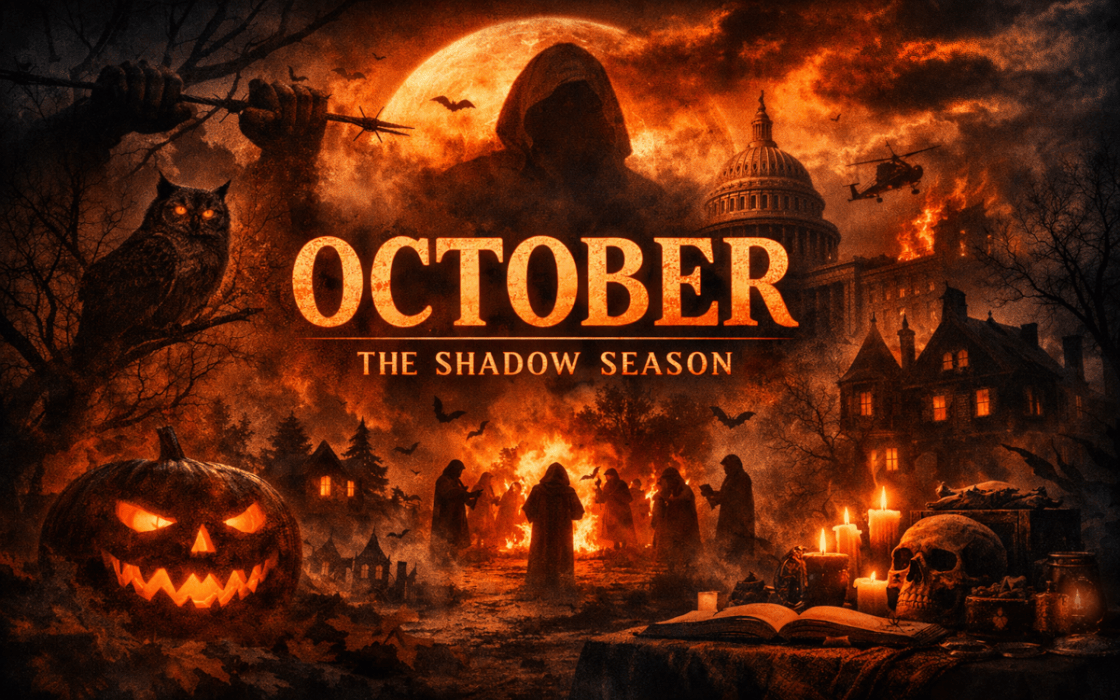
Why the world’s darkest currents, occult, political, and psychological, converge in one month
October has always carried a strange gravity. Even if you don’t track the occult, you can feel the atmosphere shift. The air cools, the days shorten, and the collective mood tilts toward the uncanny. It’s as if the world itself exhales. In that exhale, the shadows step forward.
For centuries, October has been associated with death, liminality, ritual, and the thinning of the veil.
But in modern times, the month has taken on a second life: a stage for political theater, engineered crises, and “October surprises” designed to shock the public into submission.
In this post, I explore why October is the preferred month for occultists, shadow practitioners, and political power brokers, and why the energy of this season is so easily hijacked for ritual, manipulation, and mass psychological influence.
THE OCCULT REASON: OCTOBER AS A LIMINAL GATEWAY
October sits at the threshold between light and dark. In the Northern Hemisphere,

it marks the descent into longer nights, colder air, and the symbolic “death” of the growing season.
For any path that works with symbolism, this is prime ritual territory.
1. The Veil Thins
Cultures across the world from Samhain, to Día de los Muertos, recognize late October as a time when the boundary between worlds becomes porous. For shadow practitioners, this thinning veil is not about honoring ancestors. It’s about access:

- Access to symbolism
- Access to fear
- Access to collective emotional energy
When the world is already steeped in imagery of death, spirits, monsters, and the macabre, darker currents can operate with less resistance.
2. Halloween Normalizes the Macabre
To my readers, please don’t take this the wrong way. Everyone loves Halloween. Adults and children love to dress up and celebrate the macabre of society. But don’t get it twisted, by October 31, society participates in a mass ritual of sorts. Whether we want to admit it, or not.

- Skulls, blood, demons, and death as décor
- Children dressed as horror archetypes
- Collective permission to flirt with fear
This creates a psychic environment where serious workings can hide in plain sight. When fear becomes entertainment, the threshold for what feels “too dark” drops dramatically.
3. Inversion of the Sacred
Many spiritual traditions treat autumn as a time of reverence, reflection, and ancestor connection. Shadow-oriented groups thrive on inversion:

- Turning reverence into ridicule
- Turning reflection into spectacle
- Turning sacred symbolism into shock value
October’s spiritual charge makes it attractive for those who want to hijack that energy for power, manipulation, or psychological influence.
THE RITUAL REASON: FEAR AS A CURRENCY
Let’s be clear without being sensational: Fear is a currency. October is a high-volume trading month.
Symbolic vs. Literal Sacrifice
You’ll hear claims about “major sacrifices” in October. Some are exaggerated, some are metaphorical, and some are rooted in historical patterns. But the archetype is real:
- Sacrifice = trading something valuable for power
- In politics, this often means sacrificing truth, stability, or public well-being
- In occult symbolism, sacrifice represents transformation through destruction
Whether or not literal rituals occur behind closed doors, the pattern of sacrificing the many for the agenda of the few is visible every October.
Emotional Harvesting
Fear, outrage, and shock are potent energies. October’s horror aesthetic, combined with real-world crises, creates fertile ground for emotional harvesting:

- Disturbing imagery everywhere
- News cycles amplifying anxiety
- Social media echoing worst-case scenarios
When people are emotionally destabilized, they are easier to steer.
THE POLITICAL REASON: OCTOBER AS A WEAPONIZED TIMELINE
In many countries, especially the United States, October is infamous for “October surprises”: sudden scandals, crises, leaks, or events that dramatically shift public opinion right before elections.
1. Timing Is Everything
Why October?
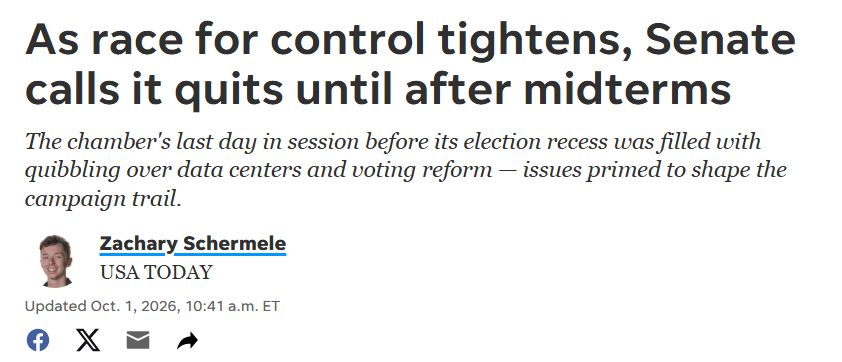
- Close enough to elections to influence votes
- Too late for full investigation or public recovery
- High emotional charge due to seasonal stress and media saturation
This timing is strategic. Whether you call it psychological warfare, narrative engineering, or ruthless politics, October becomes a pressure point on the collective timeline.
2. False Flags & Narrative Manipulation
A “false flag” refers to an event framed or exploited to justify a pre-planned agenda. This October 2026 will not be any different. In October, you often see:
- Sudden crises that conveniently support a political goal
- Media storms that drown out inconvenient truths
- Scandal drops designed to shock, not inform
Even when events are real, the story told about them can be weaponized.
3. Shadow Actors & Plausible Deniability
Those “in the shadows” whether intelligence networks, corporate interests, or political strategists, benefit from October’s chaos:
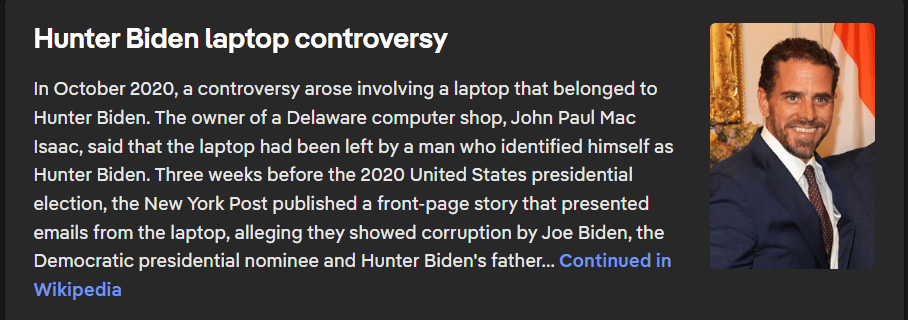
- It’s easier to hide operations inside a noisy news cycle
- People accept extreme measures when they feel unsafe
- Coincidence and coordination blur together
October becomes a fog, and fog is where shadow actors thrive.
THE DEEPER PATTERN: OCTOBER AS A MIRROR OF OUR OWN SHADOW
When you zoom out, October isn’t just “their favorite month.” It’s a mirror.
October amplifies whatever is already in us:

- Our fascination with fear
- Our avoidance of inner work
- Our hunger for drama
- Our vulnerability to manipulation
- Our unresolved shadow
This is why October is so easily hijacked, because the groundwork is already laid by culture itself.
RECLAIMING OCTOBER
The point is not to fear October. It’s to reclaim it consciously.

- Use the thinning veil for truth, not terror
- Detox from fear-based media
- Question October narratives
- Anchor your sovereignty
- Refuse to let your emotions be hijacked by last-minute theatrics
October will likely remain a favorite month for those who operate in the shadows both metaphysical or political. But it can also become a favorite month for sovereign beings who choose to meet the darkness with discernment, not dread.
October has seen many major military, political, financial, and natural disasters. Here are some of the most consequential examples, arranged chronologically:
Major historical turning points
- October 14, 1066 – Battle of Hastings: William, Duke of Normandy, defeated and killed England’s King Harold II. The Norman Conquest transformed England’s monarchy, language, aristocracy, and political structure. historyplace.com1
- October 19, 1781 – British surrender at Yorktown: Lord Cornwallis surrendered to George Washington, effectively ending the American Revolutionary War, although the peace treaty came later. historyplace.com1
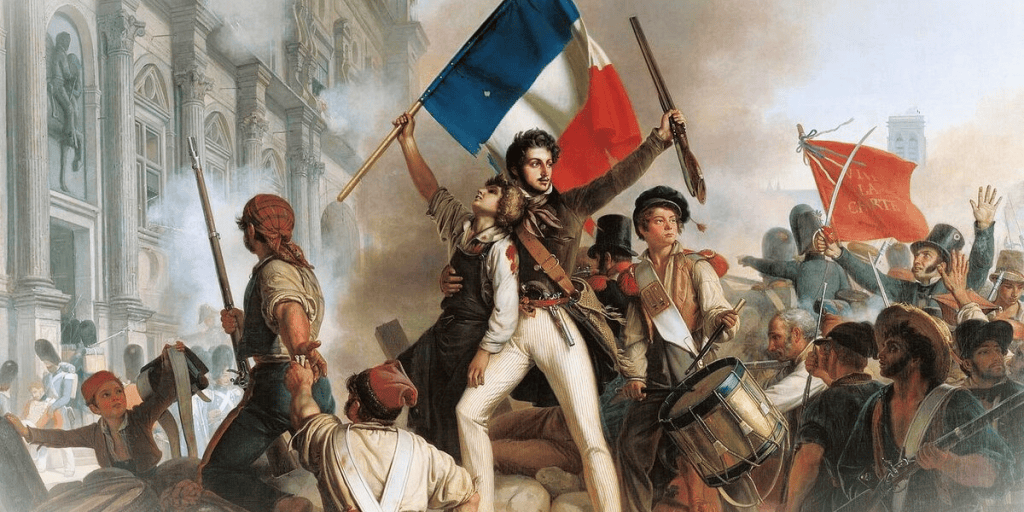
- October 16–29, 1793 – French Revolution and execution of Marie Antoinette: Her execution occurred during the Reign of Terror, a particularly violent phase of the French Revolution. Sky HISTORY TV Channel
- October 21, 1805 – Battle of Trafalgar: Britain defeated the combined French and Spanish fleets. The victory prevented Napoleon from invading Britain and established British naval dominance for much of the nineteenth century. Sky HISTORY TV Channel
- October 31, 1517 – Protestant Reformation traditionally begins: Martin Luther’s Ninety-Five Theses are traditionally associated with this date, helping trigger religious and political upheaval across Europe. chroniclesofhistory.com1
- October 6, 1973 – Yom Kippur War begins: Egypt and Syria launched a surprise attack on Israel. The conflict contributed to a major Middle Eastern political crisis and the 1973 oil shock. chds.us
Wars, political crises, and mass violence
- October 11, 1899 – Second Boer War begins: Britain went to war with the Boer republics in southern Africa. The conflict lasted until 1902 and caused extensive military and civilian suffering. Sky HISTORY TV Channel
- October 18, 1945 – Nuremberg War Crimes Trial begins: Nazi leaders were prosecuted for war crimes and crimes against humanity after World War II. The trial helped establish important principles of international criminal law. historyplace.com
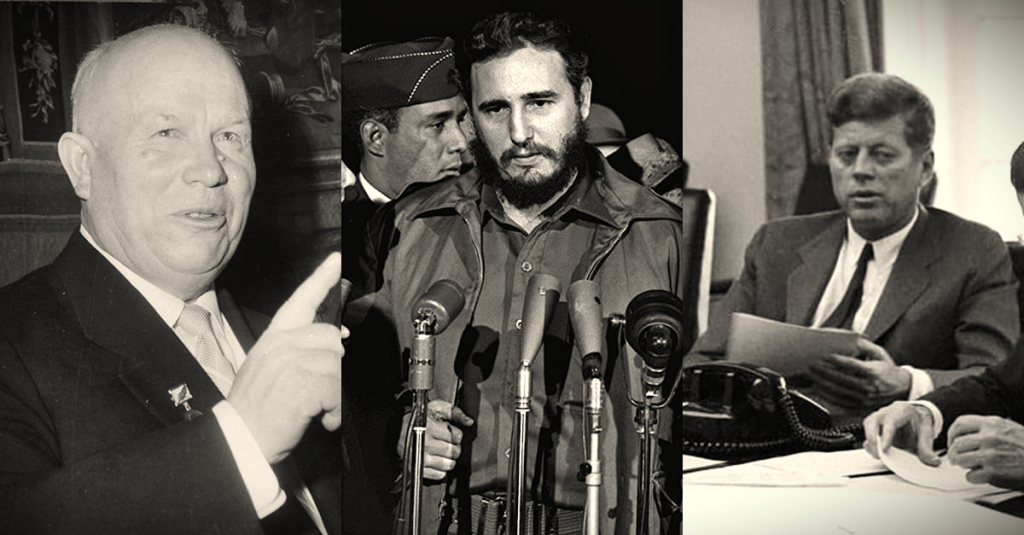
- October 16-28, 1962 – Cuban Missile Crisis: The United States and Soviet Union came dangerously close to nuclear war after the discovery of Soviet missiles in Cuba. It is often considered the most perilous confrontation of the Cold War. chroniclesofhistory.com1
- October 7, 2001 – U.S.-led war in Afghanistan begins: The invasion followed the September 11 attacks and became America’s longest war.
- October 7, 2023 – Hamas attack on Israel and subsequent war: Hamas-led forces attacked Israel, killing and abducting civilians and soldiers. The attack triggered a prolonged war involving Israel, Hamas, and wider regional actors. jppi.org.il1
Catastrophic fires and natural disasters
- October 8–9, 1871 – Great Chicago Fire and Peshtigo Fire: While the Chicago Fire became more famous, the Peshtigo Fire in Wisconsin was deadlier, killing estimates ranging from roughly 1,200 to more than 2,000 people and destroying large areas of forest and settlements. American Heritage2
- October 5, 1930 – R101 airship disaster: The British airship crashed near Beauvais, France, killing 48 people and contributing to the decline of large rigid airships. Historic UK
- October 8, 2005 – Kashmir earthquake: A magnitude-7.6 earthquake struck Pakistan-administered Kashmir and surrounding areas, killing approximately 79,000 people and destroying more than 32,000 buildings. Encyclopedia Britannica
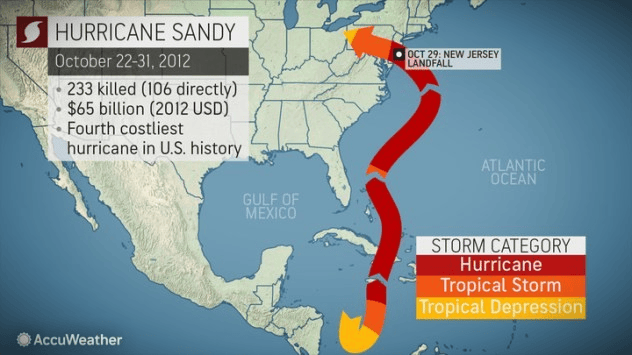
- October 22-29, 2012 – Hurricane Sandy: Sandy became one of the most destructive storms in modern U.S. history, killing more than 250 people across the Caribbean and North America and causing tens of billions of dollars in damage. Wikipedia
Financial and economic catastrophes
- October 24-29, 1929 – Wall Street Crash: “Black Thursday” and “Black Tuesday” marked the most infamous phase of the stock-market collapse. The crash did not cause the Great Depression by itself, but it intensified banking failures, unemployment, and worldwide economic contraction. chroniclesofhistory.com
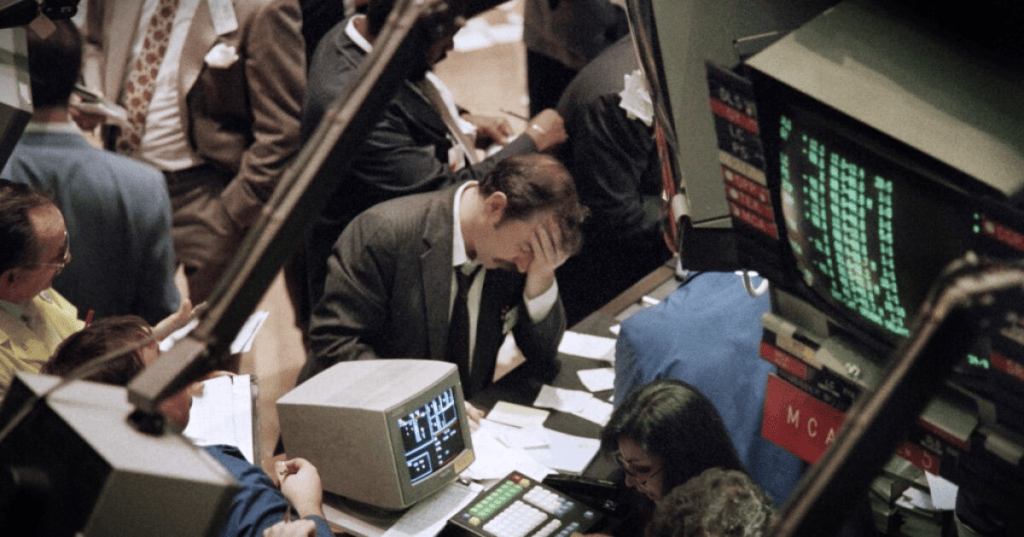
- October 19, 1987 – Black Monday: Global stock markets plunged, with the Dow Jones Industrial Average falling about 22.6% in a single day—the largest one-day percentage decline in its history. historyplace.com
October has therefore been associated with both turning points that reshaped nations, such as Hastings, Yorktown, the Reformation, and the Cuban Missile Crisis, and catastrophes involving war, fire, earthquakes, hurricanes, and financial collapse.
Keep your head on a swivel this month. I have a feeling it’s going to be a banger.
PS

