
When the world contradicts itself, the truth steps forward.
There comes a moment in every era when the systems we have trusted begin to reveal their seams.
It rarely happens all at once.
There is no single announcement, no universal confession, no dramatic curtain being pulled from the stage. Instead, the process begins quietly, almost imperceptibly, with something far more revealing than a revelation itself:
contradiction.
A story changes overnight or a narrative reverses without meaningful explanation.
An institution insists that nothing has changed while simultaneously changing the language it uses to describe what happened.
An “official truth” dissolves the moment you examine the details surrounding it.
At first, these inconsistencies are easy to dismiss. They can be explained away as mistakes, misunderstandings, clerical errors, changing circumstances, or imperfect communication.
And sometimes they are.

But when contradictions begin appearing repeatedly across institutions, narratives, policies, media reports, public statements, and cultural conversations, something else begins to happen.
People start paying attention.
They begin comparing what was said yesterday with what is being said today.
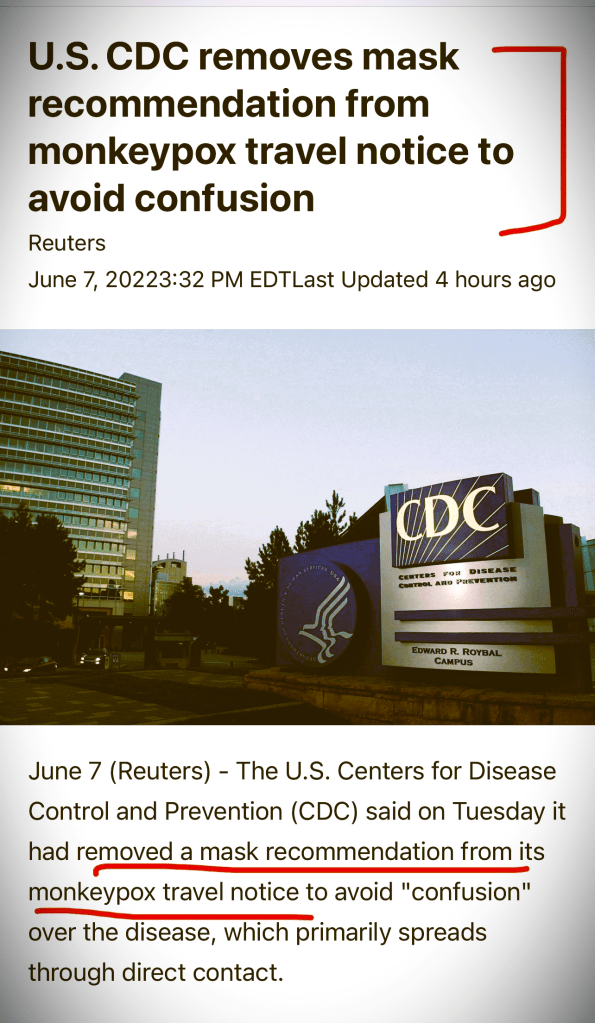
They notice the deleted statement.
They remember the original headline.
They recognize that the explanation has changed even though the event itself has not.
They begin asking a simple but increasingly powerful question:
“If the story is true, why does it keep changing?”
This is where what I call the Shadow Disclosure Wave begins.

Shadow Disclosure is not necessarily the deliberate revelation of a hidden secret.
The shadow is not necessarily the secret itself.
It is the process by which contradictions, inconsistencies, omissions, reversals, and unexplained changes expose the limitations, or sometimes the weaknesses, of the structures that have been presenting information to us.
The shadow is the evidence that something exists outside the official frame.
And once the shadow becomes visible, it becomes increasingly difficult to convince people that there is nothing behind it.
THE CRACKS BEFORE THE COLLAPSE
Every structure has a point at which its internal contradictions become too great to conceal.

A building does not suddenly become unstable when the first crack appears.
The crack is simply the moment instability becomes visible.
The same principle can apply to institutions, narratives, ideologies, organizations, and systems of information.
A major institution releases a statement, then quietly edits it hours later.
A public figure denies something, then acknowledges a portion of it the following day.
A news organization publishes one interpretation of an event and later replaces its headline with another.
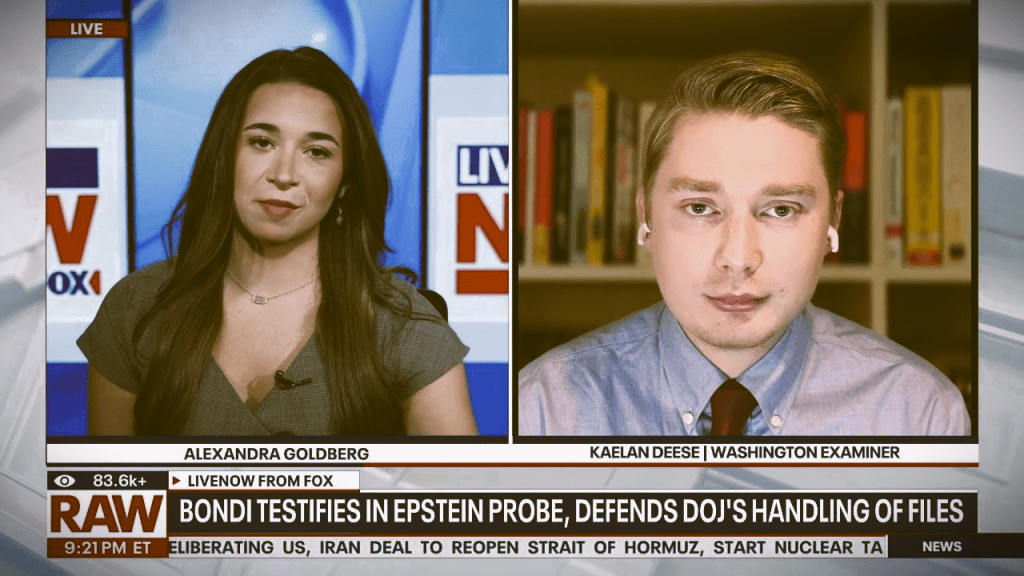
A policy is announced with absolute certainty, only to be reversed with equal certainty.
A statistical report is revised, sometimes legitimately, but without sufficient explanation for why the original interpretation was presented so confidently.
A statement that once seemed definitive suddenly becomes “misunderstood.”
A position that was previously described as impossible becomes “under consideration.”
And sometimes the most revealing part is not what changes.
It is what disappears.
- The deleted paragraph
- The revised transcript
- The altered headline
- The missing context

- The statement that existed yesterday but cannot be found today
Individually, these events may mean very little.
Collectively, they can create something much more significant:
a crisis of coherence.
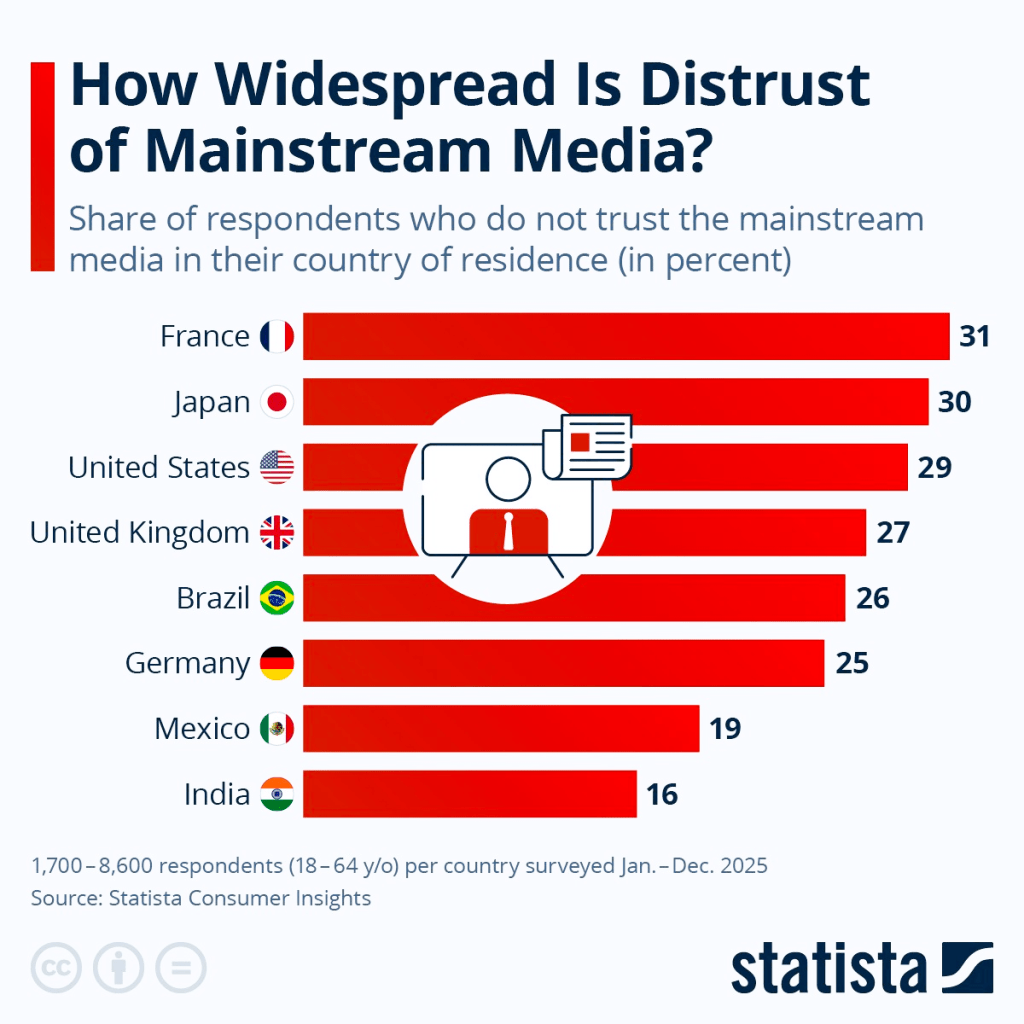
When people can no longer reconcile the official explanation with the evidence they are observing, trust begins to weaken.
Not necessarily because people have discovered the truth.
But because they have discovered that they do not know the truth.
That distinction matters.
The Shadow Disclosure Wave is not an invitation to automatically believe every alternative explanation.
It is an invitation to recognize when certainty is being presented where uncertainty actually exists.
THE PSYCHOLOGY OF CONTRADICTION
Human beings are remarkably tolerant of ambiguity when ambiguity is acknowledged.
What creates deeper discomfort is contradiction disguised as certainty.

We can accept:
“We don’t know yet.”
We can accept:
“The evidence is incomplete.”
We can accept:
“Our understanding has changed because new information became available.”
What becomes difficult to accept is:
“Nothing has changed,”
when everything appears to have changed.
This is why contradictions can be psychologically powerful.
They force the mind to stop consuming information passively and begin evaluating it.
The individual moves from receiving to examining.
From believing to questioning.
From questioning to comparing.
And from comparing to discerning.
Key distinction:
- Suspicion: “Something is wrong.”
- Discernment: “What can I actually establish?”
Suspicion searches for confirmation.
Discernment searches for coherence.
Suspicion can become consumed by every anomaly.
Discernment recognizes that not every anomaly represents deception or conspiracy.
This distinction protects the awakening mind from becoming trapped by the very thing it is trying to escape.
THE DANGER OF THE OPPOSITE EXTREME
There is a subtle danger within every period of disclosure.

When people discover that one narrative was incomplete, they may assume that its opposite must therefore be true.
But revelation does not work that way.
If an institution is wrong about one thing, that does not automatically prove every alternative claim correct.
If a media report changes, that does not automatically prove the replacement narrative is false.
If an official explanation contains contradictions, the contradiction itself is evidence of uncertainty, not necessarily evidence of a hidden alternative truth.
This is one of the most important principles of Shadow Disclosure:

Seeing the shadow does not mean you automatically know what is casting it.
That requires:
- patience
- investigation
- intellectual humility
- the ability to hold multiple possibilities at once
And most importantly, the courage to say:
“I don’t know yet.”
That statement is not weakness.
It is intellectual sovereignty.
WHEN THE VEIL BECOMES TRANSPARENT
For generations, people have been conditioned to think of truth as something delivered from above.
- The institution knows.
- The expert knows.
- The authority knows.
- The media knows.
- The system knows.
The audience receives.
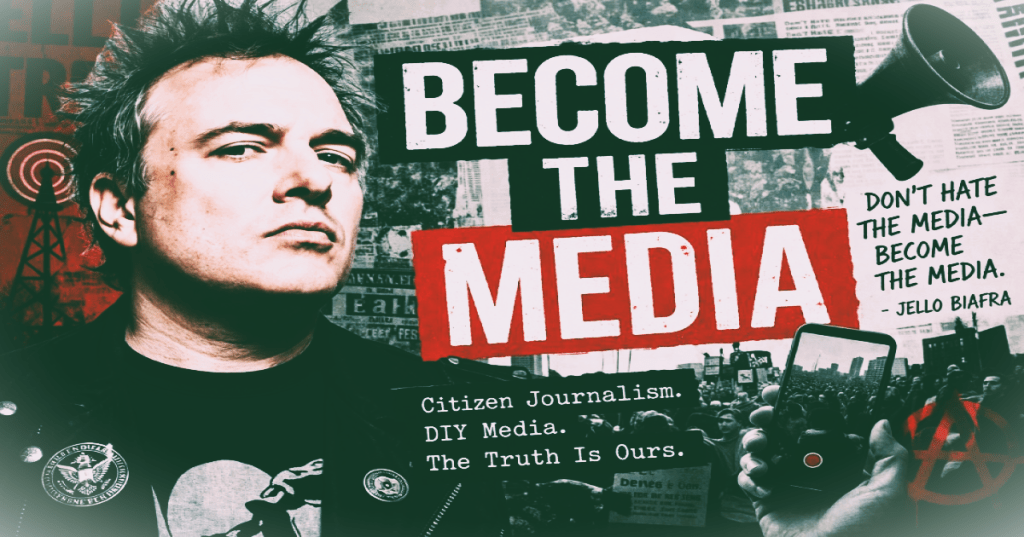
But technology has disrupted that arrangement.
Today, ordinary people can compare:
- documents
- archived statements
- interviews
- timestamps
- datasets
- public records
- eyewitness accounts
- multiple news sources
All within minutes.
Information once separated by geography or institutional control can now be placed side by side.
And when information is placed side by side, contradictions become easier to see.
This creates a new relationship between the individual and information.
The question is no longer:
“What are they telling me?”
It becomes:
“What happens when I compare what they told me yesterday with what they are telling me today?”
That is where the veil begins to thin.
Not because someone necessarily removes it.
But because the observer has learned how to look around it.
THE AWAKENING OF DISCERNMENT
Awakening is often described as discovering hidden information.
But a deeper awakening is learning how to evaluate information without surrendering your judgment.

Discernment is:
- not cynicism
- not blind trust
- not believing nothing
It is the ability to:
- remain open without becoming gullible
- question without becoming consumed by suspicion
- change your mind when evidence changes
- refuse to change your mind under pressure alone
This is where personal sovereignty begins.
You stop asking:
“What am I supposed to believe?”
And begin asking:
“What do I actually know?”
Then:
- How do I know it?
- What evidence would change my understanding?
These questions are simple, but powerful.
They make you harder to manipulate, not because you know everything, but because you no longer surrender your perception automatically.
THE WAVE
A wave does not begin when it reaches the shore.
It begins beneath the surface.
What was once dismissed becomes part of a larger conversation.
And when enough people independently begin asking similar questions, the social landscape shifts.
The old narrative does not necessarily collapse.
But its monopoly on interpretation weakens.
That is the real wave.
Not universal agreement.
But independent thinking.
FROM COLLAPSE TO REVELATION
It is easy to interpret narrative breakdowns as societal collapse.
But something more subtle may be happening.
Sometimes what collapses is not reality.
It is an interpretation of reality.
Institutions are:
- human
- imperfect
- political
- economic
- bureaucratic
- sometimes contradictory
People make mistakes.
Systems protect themselves.
Narratives evolve.
Information gets corrected.
And sometimes, information is distorted.
A mature observer must hold all of this at once.
That is why Shadow Disclosure is not a doctrine of distrust.
It is a discipline of observation:
- Observe
- Compare
- Question
- Verify
- Remain open
- Remain skeptical
- Avoid replacing one unquestioned authority with another
THE RETURN OF INNER AUTHORITY
The deepest shift occurs when external contradiction produces internal clarity.
You realize:
- no institution can think for you
- no headline can replace your judgment
- no algorithm can replace your conscience
- no authority can remove your responsibility to discern

You may:
- listen to experts
- respect institutions
- study opposing views
- change your mind when evidence demands it
But responsibility remains yours.
This is sovereignty in the context of Shadow Disclosure.
Not isolation.
Not rejection.
Not certainty.
But responsibility for your relationship with truth.
KEY QUESTIONS OF THIS ERA
Perhaps the most important question is no longer:
“Who is telling the truth?”
But:
“How do I recognize truth when multiple narratives claim it?”

This requires:
- patience
- humility
- tolerance for uncertainty
- willingness to revise understanding
Sometimes answers come quickly.
Sometimes they take years.
Sometimes contradictions resolve simply.
That is acceptable.
The goal is not instant certainty.
The goal is not needing certainty at all costs.
THE DISCLOSURE WITHIN THE DISCLOSURE
Perhaps the deepest disclosure is not external.
Perhaps it is the realization of how easily perception can be shaped.
We are taught to look outward for permission to believe.
The Shadow Disclosure Wave reverses that direction.
It asks us to look inward:
- What do I actually see?
- What can I verify?
- What am I assuming?
- What would change my mind?
This is not about rejecting information.
It is about learning how to relate to it.
Not knowing everything.
Knowing how to know
THE WAVE IS ALREADY HERE
The Shadow Disclosure Wave does not require:
- a single event
- a single whistleblower
- a single revelation
It begins wherever contradictions become visible enough to trigger questions.
Once questioning begins, something changes permanently.

The individual becomes:
- an observer
- a comparer
- a questioner
- a discerner
The world may continue to contradict itself.
But the individual no longer surrenders perception automatically.
And perhaps that is the real disclosure.
Not that everything is revealed.
But that perception itself becomes conscious.
Like a revelation, we become capable of seeing more of it.
The veil does not always need to be torn away.
Sometimes it simply becomes thin enough to see through.
And when that happens, the responsibility is clear:
To look carefully.
To question honestly.
To verify patiently.
To remain humble.
And above all:
to reclaim your capacity to discern reality for yourself.
PS

