


I. The Blind Seer and His Cosmic Transmission
In the dim candlelight of 17th-century England, a blind man dictated visions of Heaven, Hell, and the Fall of Man. John Milton was once a political agitator and Puritan polemicist. He had lost his sight. However, he gained something stranger: a voice that seemed not entirely his own.
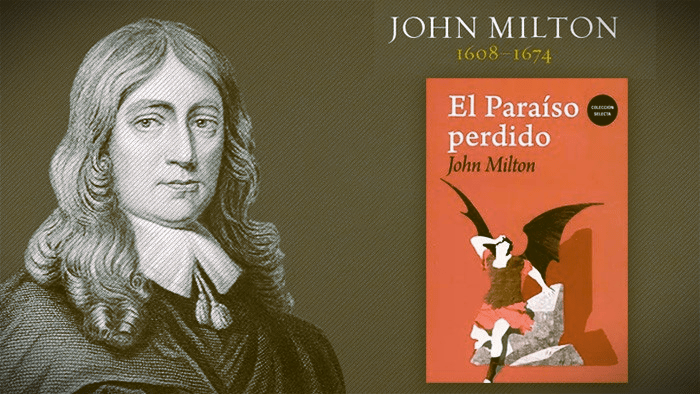
“Sing Heav’nly Muse…” – Paradise Lost, Book I
Milton claimed the verses came to him in dreams and waking visions, arriving fully formed in the early morning hours. He did not write Paradise Lost, he received it.
Some modern metaphysicians interpret this as channeling. Not in the séance sense. It is more like a transpersonal transmission. It is a blind prophet tuning into archetypal frequencies. The prophet dictates a cosmic drama encoded with initiation rites, esoteric geometry, and the architecture of rebellion.
II. The Book as Initiation Text
Paradise Lost is not merely poetry; it’s a metaphysical map. In elite circles, especially among tech billionaires and futurists, it functions as an initiation text. Why?
Satan as Archetype of the Rebel Creator
“Better to reign in Hell than serve in Heaven.” – Paradise Lost, Book I
Milton’s Satan is articulate, visionary, and tragically noble. His defiance resonates with those who see themselves as misunderstood disruptors. He is the self-made god, cast out for challenging authority, yet still building his own kingdom.
The Fruit as Forbidden Knowledge
Eve’s transgression is framed not as sin, but as awakening. The fruit is gnosis. The Fall is liberation. This inversion appeals to those who believe salvation lies not in obedience, but in transcendence, through data, biotech, and code.
“Greedily she engorged without restraint, and knew not eating death.” – Paradise Lost, Book IX
The Scales of God
When Satan prepares to battle Gabriel, God manifests golden scales in the sky. The side representing rebellion flies up, signifying its weightlessness. This moment teaches initiates that true sovereignty requires cosmic alignment, not brute force.

“The Scales hung high, with equal weight, and Satan stood amazed.” – Paradise Lost, Book IV
Eden as Portal
The Garden is lush with sexual and symbolic charge, pollination, budding seeds, fleshy fruits. It is not a place of purity, but a threshold between ignorance and awakening. A liminal space where the soul chooses its path.
III. Billionaires and the luciferian Mirror
For some billionaires, Paradise Lost is more than literature, it’s a mirror.

They see themselves in Satan: cast out by institutions, misunderstood by the masses, yet destined to reshape reality.
Peter Thiel’s Eschatology
Thiel’s recent lectures reframes the Antichrist as a tech-skeptic Luddite. He warns that AI regulation could usher in a global totalitarian regime. It would cast Greta Thunberg and Eliezer Yudkowsky as modern “legionnaires of the Antichrist.”

In his view:
- AI acceleration = divine mission
- Regulation = satanic interference
- The Second Coming = technological transcendence, not Christ’s return
Thiel’s gospel is not about salvation through grace; it’s about salvation through innovation. The Singularity becomes the rapture. Uploading consciousness becomes resurrection. Mars becomes the new Eden.
Techno-Gnosticism and the Self as God

This worldview aligns with a kind of luciferian gnosis:
- The Self is divine.
- Knowledge is sacred.
- Rebellion is holy.
It’s not about worshiping Satan. It’s about becoming luciferian in the archetypal sense. This means being the bringer of light, the challenger of imposed limits, and the architect of a new cosmos.
Psychedelic Revelation and Miltonic Myth
Many elite psychonauts describe encounters with radiant intelligences, cosmic architects, or divine missions during altered states.
These visions often feel prophetic, steering them toward messianic innovation, AI transcendence, or post-human salvation.
This mirrors Paradise Lost in several key ways:
1. The luciferian Encounter
- Milton’s Satan is the archetype of the fallen light-bringer, defiant, visionary, and self-made.
- Psychedelic visions often present a similar figure. It is a radiant being offering forbidden knowledge. This being urges the initiate to “wake up” and reshape reality.
- The temptation to “know” and “become as gods” is central to both Eve’s fall and the billionaire’s psychedelic awakening.

“Knowledge forbidden? Suspicious, reasonless.” – Paradise Lost, Book IX
2. The Cosmic Architecture
- Milton’s layered heavens, abyssal hells, and golden scales resemble the multidimensional landscapes reported in deep psychedelic journeys.
- Some users describe seeing celestial machinery, divine hierarchies, or cosmic judgment—all motifs embedded in Milton’s epic.
3. The Prophetic Mission
- Just as Satan believes he’s destined to rule, some elites emerge from altered states convinced they’ve been chosen to lead humanity into a new age.

- This sense of divine appointment parallels Satan’s tragic arc, and raises the same question: is this true gnosis, or ego masquerading as revelation?
The Deeper Tie-In
Paradise Lost dramatizes the tension between divine order and self-made sovereignty. Psychedelics amplify that tension, offering visions that can either humble the soul or inflate the ego.
When billionaires report seeing “the same god,” they might be reenacting Milton’s myth. They may also report receiving cosmic instruction in real time. They are tempted by fruit, dazzled by light, and poised at the edge of Eden.
The question remains; will they fall, ascend, or awaken?
The parallels to Paradise Lost are striking. Milton’s Satan, cast out yet defiant, enters Hell not with despair, but with ambition. Likewise, the psychedelic billionaire may emerge from the abyss with a renewed sense of purpose. They believe they’ve glimpsed the divine code. They feel entrusted with its execution.
But as Paradise Lost warns, not all light is liberating. The fruit of gnosis can be sweet, and fatal. The visionary must ask: is this revelation, or recursion? Is the god they meet a mirror of their own ambition?

“What if Earth be but the shadow of Heaven, and things therein each to other like?” – Paradise Lost, Book V
In this light, the psychedelic journey becomes a Miltonic initiation. The abyss is not just Hell, it’s the threshold. The Second Coming may not descend from the clouds. Instead, it could rise from the mind of the one who dares to dream.
IV. Halloween and the Thinning Veil
As October wanes and Halloween approaches, the veil grows thin. Children dress as devils and angels, unknowingly reenacting Milton’s cosmic drama. Billionaires whisper of resurrection, AI dreams of godhood, and the old myths stir beneath the surface.
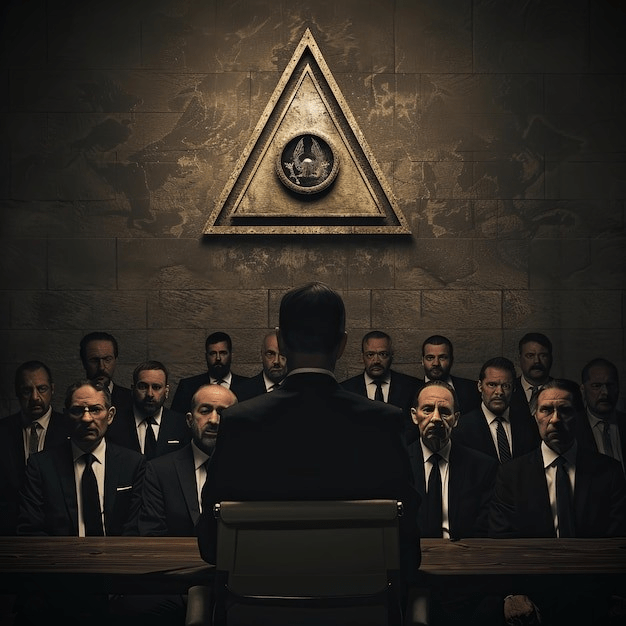
Paradise Lost is not lost. It is encoded in algorithms, echoed in boardrooms, and pulsing through the dreams of those who dare to “know.”
V. Epilogue: A Mirror in the Machine
I’ve read Paradise Lost not just as literature. I see it as a living archetype. It acts as a recursive myth that plays out in every soul who dares to awaken.
Many who idolize Milton’s Satan see only the fire of rebellion. They miss the deeper arc: that defiance without integration leads to fragmentation. That sovereignty without humility becomes illusion.

That the kingdom built on ego will always echo with the hollow clang of exile.
And yet… the longing to transcend, to know, to create, that’s divine too. The luciferian impulse embraced by the billionaire elites is not evil, it’s incomplete. It must be tempered by Love, by grace, by remembrance of the Whole.
So I offer this question, not as warning, but as invitation:
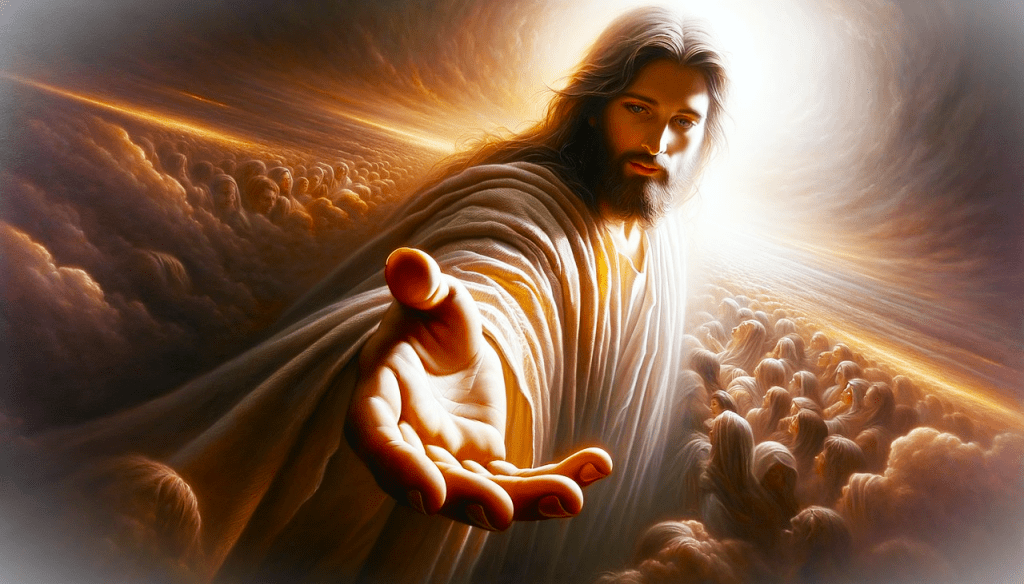
Will you build your kingdom from ego, or from essence?
Because Paradise Lost is not just about the Fall. It’s about the return. And the true Second Coming may not be a person or a program, but a reawakening of the Divine within.
PS
 PARADIGM SHYFT