

In today’s politically charged climate, accusations of fascism are thrown around with reckless abandon. The word “fascist” has become a political cudgel. Left-leaning politicians and media often use it to demonize their conservative opponents. This is particularly true when targeting the Republican Party.

We should examine history and the policies that define both fascism and Nazism. This raises a question. Which party in America today, Democratic or Republican, aligns more with the key elements of fascism?
Defining Fascism
Fascism is a political ideology that emerged in early 20th-century Europe. It is primarily associated with Benito Mussolini’s Italy. Fascism is also linked to Adolf Hitler’s Nazi regime in Germany.
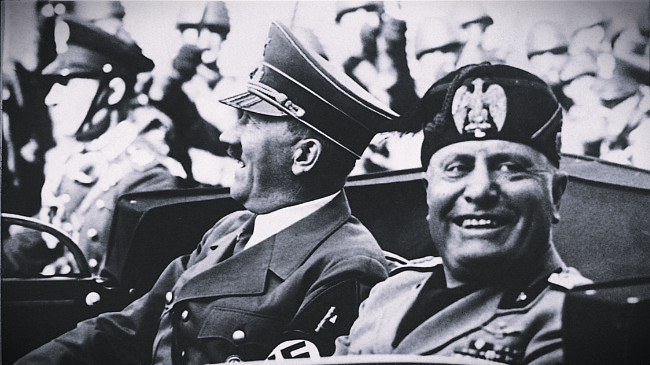
While each regime had its own particular characteristics, fascism generally involved the following key traits:
- Authoritarianism: Centralized control under a single leader or party, with little tolerance for political opposition.
- Suppression of Free Speech: The government uses state power to silence dissent. This includes actions against the media, opposing political parties, and individual expression. An example of this is the current suppression of speech in the UK.
- State Control of the Economy: Private property might technically exist. However, the government exerts significant control over industry. This is often through heavy regulation or government mandates.
- Nationalism: A strong focus on national identity, often linked to militarism and xenophobia.
- Opposition to Individual Rights: Subordination of individual freedoms to the needs of the state or the collective.
The Republican Party: Small Government and Individual Rights
In contrast, the Republican Party’s fundamental principles emphasize limited government, personal responsibility, and individual freedom.
These values are diametrically opposed to fascism. Let’s take a closer look:
Opposition to Authoritarianism:
Republicans generally advocate for decentralizing power away from the federal government, emphasizing states’ rights and local governance.
This is most clearly seen in the party’s opposition to federal overreach in areas like healthcare, education, and business regulation. Some on the left argue that former President Donald Trump’s strongman persona aligns with authoritarianism.

However, the reality is that the Republican platform continues to champion the decentralization of power. It also protects individual rights and maintains checks and balances on government authority.
Free Speech and Opposition to Censorship:
The Republican Party has taken a strong stance against censorship. This is especially true in the context of social media. The party opposes tech company suppression of conservative voices.

The Democratic Party pushes for more regulation of speech under the guise of combating “hate” or “misinformation.”
Republicans argue for free expression, even when it is controversial.
Fascist regimes historically sought to control information. Republicans are clearly standing in opposition to these efforts. They advocate for a truly open marketplace of ideas.
Economic Freedom:
Republicans consistently favor free-market principles and less government intervention in the economy. They oppose policies like the Green New Deal. They also resist higher corporate taxes and the expansion of the welfare state. These policies would give the government more control over the economy.
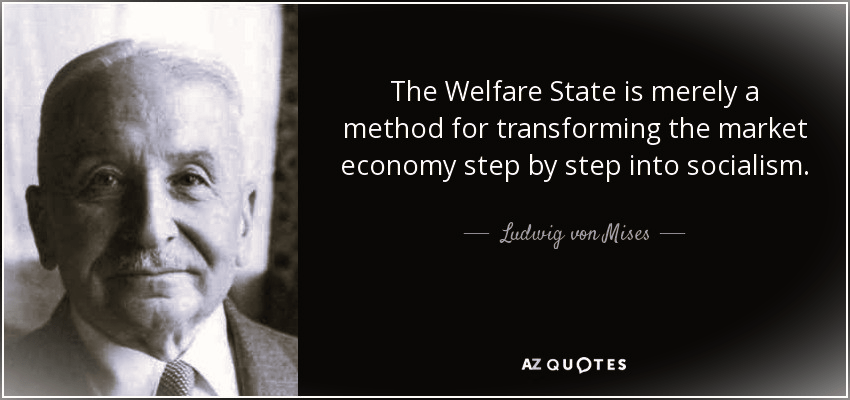
Fascism, in contrast, thrives on state control or significant state intervention in industries.
The Republican stance on economic issues promotes individual entrepreneurship and limited government interference, the antithesis of fascism.
Nationalism vs. Patriotism:
Critics often label Republicans as nationalists, equating patriotism with the nationalism found in fascist regimes. However, there is a significant difference.
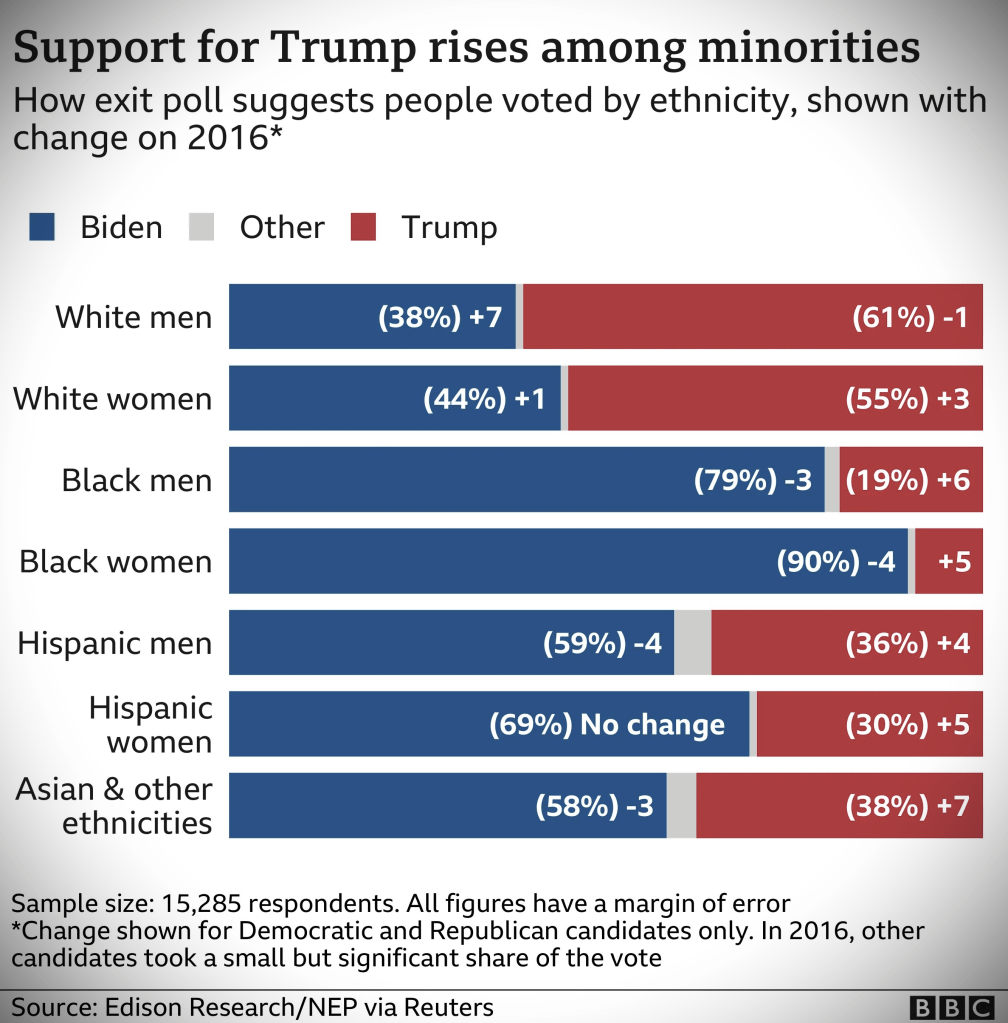
Fascist nationalism is exclusive. It is based on ethnic or racial superiority. Republican patriotism focuses on love of country and constitutional values. It includes a belief in American exceptionalism without seeking to exclude or oppress others based on race or ethnicity.
Nazi Comparisons: A False Equivalency
The comparison of Republicans to Nazis is not only misleading but historically inaccurate. The Nazis, like fascists in Italy, were socialists in practice, despite their “National Socialist” name.
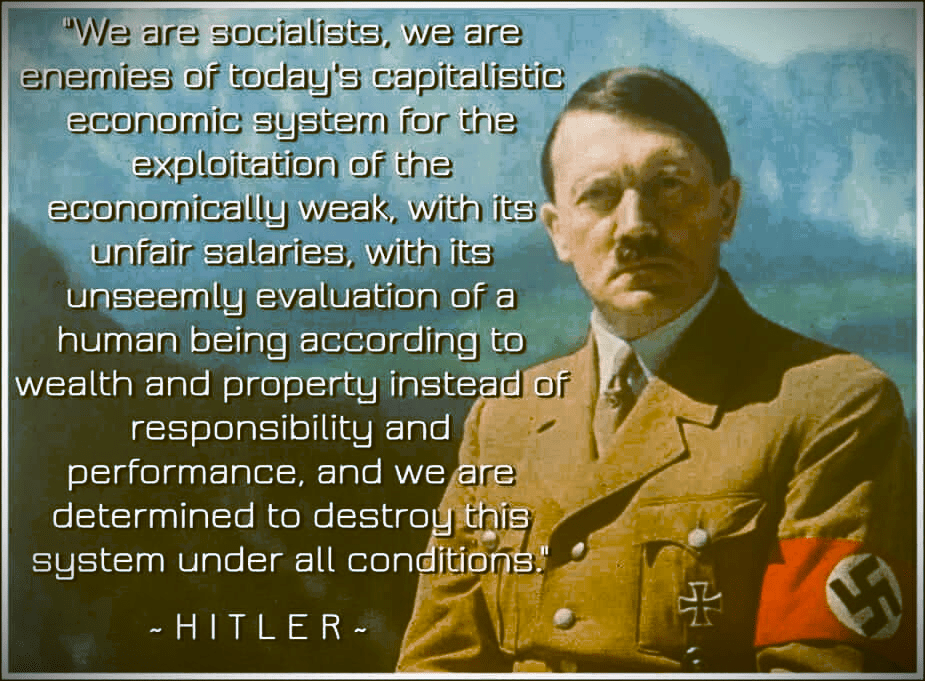
Their policies emphasized state control. This included control over the private sector.
They also promoted a collectivist mentality that sacrificed individual freedoms for the sake of the state. In today’s political landscape, the Democratic Party’s push for government-run healthcare is prominent.
They also advocate for stringent business regulations. Furthermore, their stance includes extensive government intervention in personal and economic matters. These principles more closely resemble these ideas than anything advocated by Republicans.

Fascist regimes used the media as a propaganda tool.
Similarly, today’s mainstream media is largely aligned with the Democratic Party. It promotes a singular narrative and silences dissenting voices.
Conclusion: The Real Threat to Liberty
The term “fascism” is often misused as a smear tactic. However, a close examination of policies reveals a concerning alignment.
The Democratic Party’s push for centralized government control and the suppression of free speech are evident. These actions align closely with the core principles of fascism. Their prioritization of the collective over individual rights further supports this alignment.
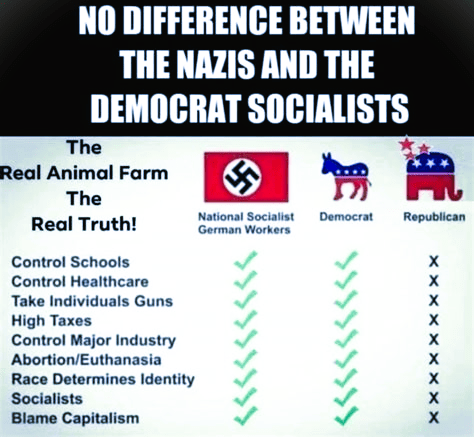
In contrast, the Republican Party’s emphasis is on individual liberty, free speech, and limited government.
These principles stand in stark opposition to the authoritarianism that fascism represents.
For those who value freedom, personal responsibility, and limited government, it is crucial to see through the political rhetoric. Recognize which party’s policies align more with liberty. Identify which ones threaten to erode it.
Just sayin…
by: http://www.readlucid.com/PS
References:
- Benito Mussolini, “The Doctrine of Fascism,” 1932.
- Jonah Goldberg, Liberal Fascism: The Secret History of the American Left, From Mussolini to the Politics of Meaning, Doubleday, 2008.
- National Review, “How Fascism Works in Practice,” https://www.nationalreview.com
- The Heritage Foundation, “Big Tech and Free Speech,” https://www.heritage.org
- Ludwig von Mises, Omnipotent Government: The Rise of the Total State and Total War, 1944.
 PARADIGM SHYFT