

In every era, humanity finds itself negotiating the delicate balance between the freedom of the individual soul and the organizing power of the collective. This is not a new conversation. It is as old as the first tribe deciding who would lead the hunt. It is as ancient as the first priest declaring which rituals were “acceptable” to the gods.
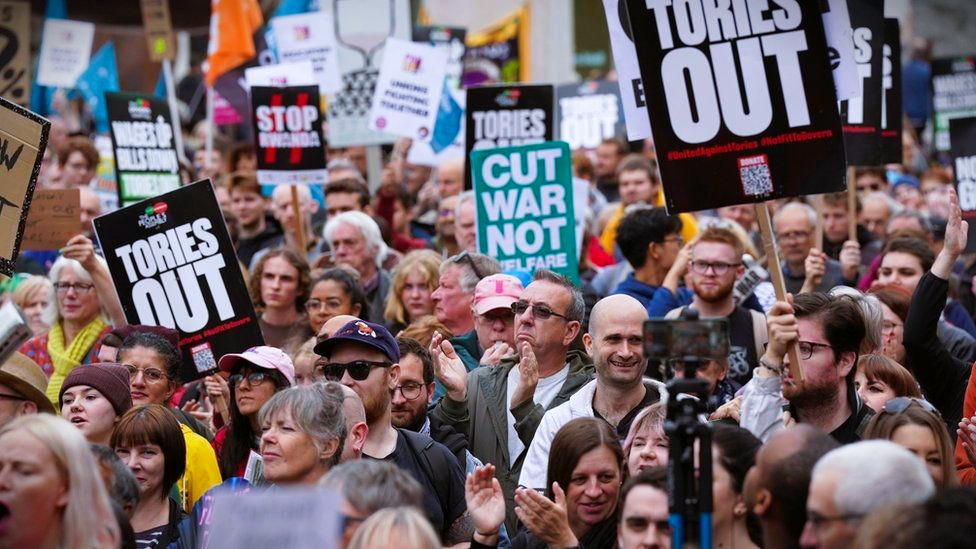
In the modern era, the stakes appear heightened.
Advancements in technology, global crises, and evolving political landscapes have intensified the conflict between spiritual autonomy and collective governance.
What is Spiritual Sovereignty?
Spiritual sovereignty is the recognition that one’s inner authority, including the connection to Source and the ability to discern truth, is inherently personal. It is neither granted nor revocable by any institution.

It is the quiet but unshakable knowing:
“I am the steward of my own consciousness.”
In practice, sovereignty means:
- Choosing your beliefs and values from lived experience, not inherited dogma.
- Guarding your mental, emotional, and energetic space from manipulation.
- Acting from alignment rather than fear or coercion.
The Five Zones of the Spectrum
From ancient tribes to modern nations, humanity has always balanced the freedom of the individual with the power of the collective. The Sovereignty–Control Spectrum maps this dynamic, from the pure autonomy of personal sovereignty to the rigid dominance of total control.
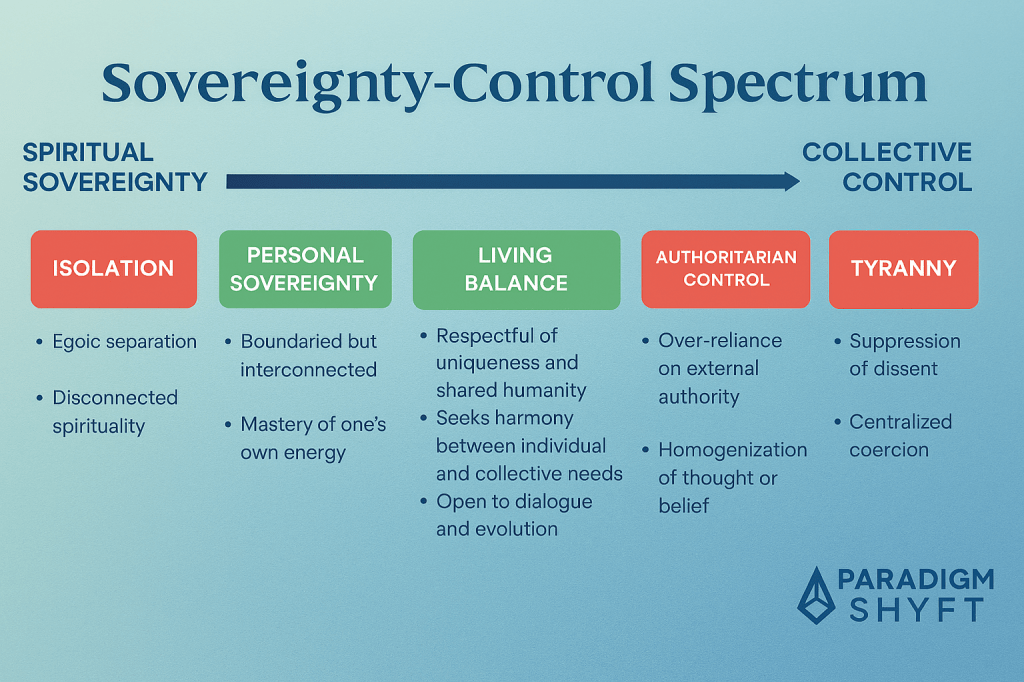
At one end lies the right to self-govern one’s beliefs and choices. At the other end, authority is centralized in the name of order or “the greater good.”
Between them is the rare Living Balance where individuality and community strengthen one another. Below is a more detailed breakdown:
1. Isolation (Far Sovereignty Pole – Shadow Side)
- Core dynamic: Extreme self-reliance to the point of disconnection.
- Mindset: “I answer to no one, and no one can influence me.”
- Risks: Loss of empathy, inability to collaborate, spiritual bypassing, echo chambers.
- Historical echoes: Hermits who reject all community ties, survivalist enclaves that reject any shared governance.
2. Personal Sovereignty (Healthy Sovereignty)
- Core dynamic: Self-governance rooted in awareness, boundaries, and conscious choice.
- Mindset: “I am the steward of my own energy, yet I remain connected to others.”
- Strengths: Clear boundaries, discernment, resilience, authentic self-expression.
- Practices: Shadow work, values clarification, consent-based relationships, spiritual discipline.
3. Living Balance (The Green Zone)
- Core dynamic: Mutual respect between individual autonomy and collective agreements.
- Mindset: “We honor each person’s uniqueness while working toward shared well-being.”
- Strengths: Dialogue, adaptability, co-creation, transparent decision-making.
- Examples: Indigenous councils with consensus models, participatory democracy, educator-led curriculum design with shared standards.
- Why it’s rare: Requires trust, emotional intelligence, and systems that can flex without collapsing.

4. Authoritarian Control (Unhealthy Collective Tilt)
- Core dynamic: Over-reliance on centralized authority to dictate norms, beliefs, and behaviors.
- Mindset: “The group knows best; individuals must comply for the greater good.”
- Risks: Suppression of dissent, homogenization of thought, dependency on authority.
- Historical echoes: State-controlled religions, rigid bureaucracies, ideological purity tests.
5. Tyranny (Far Control Pole – Shadow Side)
- Core dynamic: Absolute centralization of power with coercion and fear as enforcement tools.
- Mindset: “The individual exists to serve the system.”
- Risks: Erasure of personal identity, systemic abuse, spiritual and cultural genocide.
- Historical echoes: Totalitarian regimes, theocracies that punish nonconformity, cults with absolute leaders.
What is Collective Control?
Collective control is the organizing force of the group, the rules, structures, and systems that coordinate human behavior. At its best, it creates safety, unity, and shared purpose.
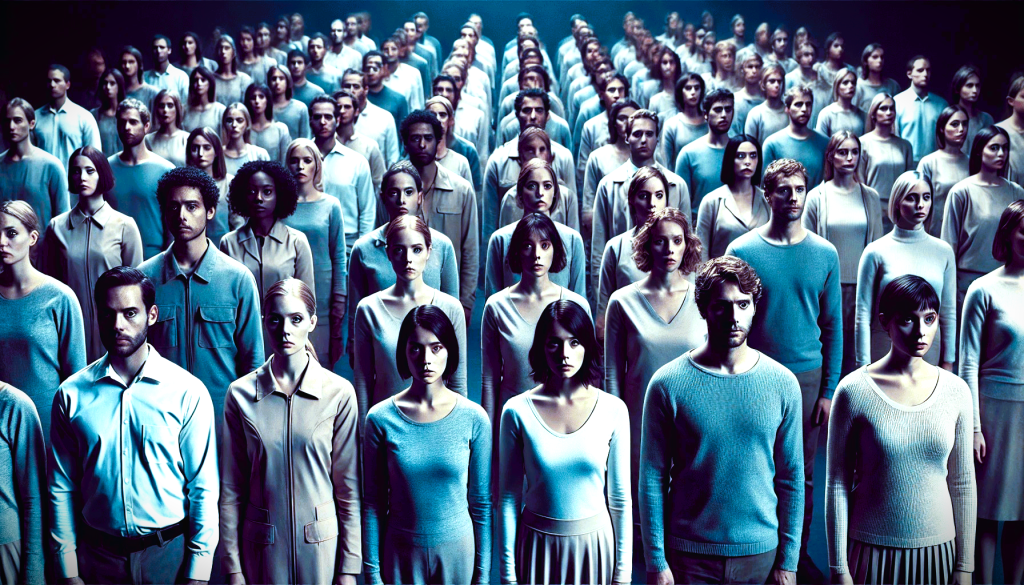
At its worst, it suppresses dissent, homogenizes thought, and erodes the individual’s right to self-determination.
It can be:
- Benevolent — community agreements, mutual aid, shared rituals.
- Authoritarian — censorship, coercion, or the weaponization of “the greater good” to silence personal truth.
The collective control mechanisms shaping today’s divisive political climate are more complex. They are more multi-layered than at almost any point in history. They operate through a mix of formal governance structures. Technological systems and cultural narratives also play a role. These elements can unify or polarize populations depending on how they’re wielded.
Here’s a breakdown of the most prominent ones in play right now:
1. Supranational Governance & Collective Security Pacts
- Examples: NATO, the UN Security Council, regional blocs like the EU or African Union.
- Mechanism: Member states agree that an attack on one is an attack on all, obligating collective response.
- Impact on divisive politics:
- Can be framed as essential for stability and deterrence.
- Critics see them as eroding national sovereignty and forcing countries into conflicts or policies they didn’t directly choose.
- Disputes often arise over who sets the agenda and whose interests are truly being served.
2. Global Surveillance & Data Governance
- Examples: International intelligence-sharing alliances (e.g., Five Eyes), cross-border data retention laws, AI-driven monitoring systems.
- Mechanism: Centralized collection and analysis of communications, movement, and online activity.
- Impact:
- Supporters argue it’s vital for counterterrorism, cyber defense, and pandemic response.
- Opponents warn of mass surveillance creep, chilling free speech, and enabling authoritarian overreach.
3. Economic Leverage & Sanctions Regimes
- Examples: Coordinated sanctions against states, trade embargoes, IMF/World Bank conditional lending.
- Mechanism: Collective economic pressure to enforce compliance with international norms or punish perceived violations.
- Impact:
- Can be effective in signaling unified disapproval.
- Often criticized for harming civilian populations more than political elites, fueling resentment and nationalist backlash.
4. Narrative Management & Information Gatekeeping
- Examples: Coordinated media messaging, platform content moderation policies, state-sponsored narratives.
- Mechanism: Control over what information is amplified, suppressed, or framed as “truth.”
- Impact:
- Can unify populations around shared facts in times of crisis.
- In polarized contexts, it deepens mistrust, with each side accusing the other of propaganda or censorship.

5. Crisis-Driven Emergency Powers
- Examples: Pandemic lockdown mandates, wartime executive orders, climate emergency declarations.
- Mechanism: Temporary suspension or alteration of normal democratic processes to respond to urgent threats.
- Impact:
- Can enable rapid, coordinated action.
- Risks becoming normalized, with “temporary” powers extended indefinitely — a classic sovereignty-control flashpoint.
6. Standardization & Regulatory Harmonization
- Examples: Global health protocols, environmental treaties, digital privacy laws like GDPR.
- Mechanism: Collective agreement on uniform rules across borders.
- Impact:
- Facilitates trade, cooperation, and shared safety standards.
- Can be perceived as one-size-fits-all impositions that ignore local culture, needs, or autonomy.
Why These Mechanisms Are So Politically Charged Now
- Hyperconnectivity: Decisions in one country ripple instantly across the globe.
- Multipolar power shifts: Rising powers challenge existing control structures, creating friction.
- Mistrust in institutions: Many citizens feel these mechanisms serve elites rather than the public.
- Weaponization of interdependence: Economic, informational, and security ties can be used as leverage in geopolitical disputes.
The Eternal Tension
History is full of flashpoints where these forces collided:
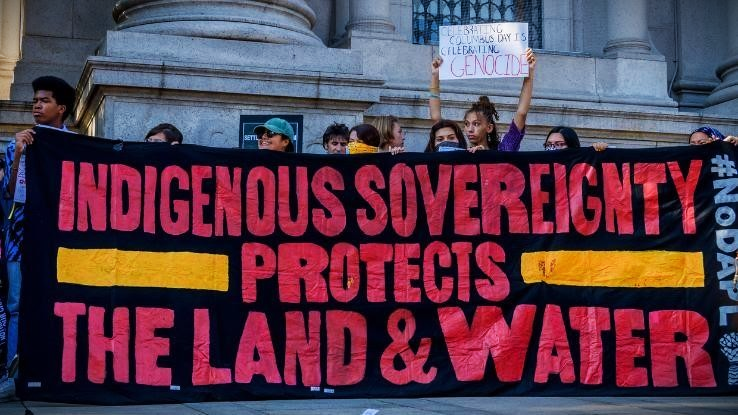
- Indigenous sovereignty movements resisting colonial bans on sacred ceremonies.
- Investiture Controversy (11th–12th c.): Kings and popes fought over who could appoint spiritual leaders.
- Gandhi’s satyagraha, reclaiming sovereignty through nonviolent resistance to imperial control.
- Soviet suppression of religion, replacing spiritual authority with state ideology.
Each moment asked the same question: Where does the right to decide truly reside?
Why This Matters Now
In our current political climate, this tension is playing out in new ways:

- Technocratic governance — where algorithms and data models increasingly shape policy, sometimes without transparency.
- Global emergencies — where crises justify emergency powers that can limit personal freedoms.
- Cultural polarization — where both “sides” may claim to defend freedom while seeking to control the other’s narrative.
The challenge is that both sovereignty and control have light and shadow. Too much sovereignty without connection can lead to isolation or fragmentation. Too much control without respect for the individual can lead to oppression.
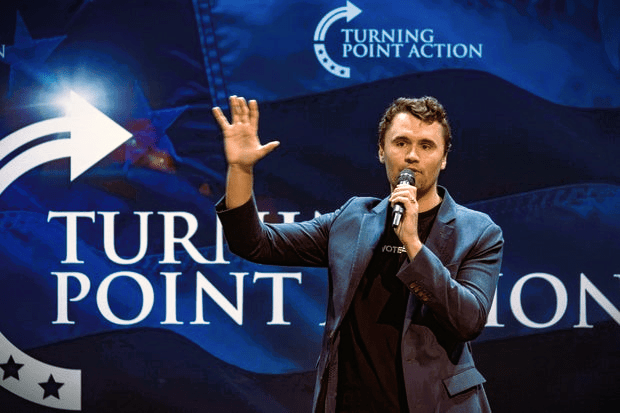
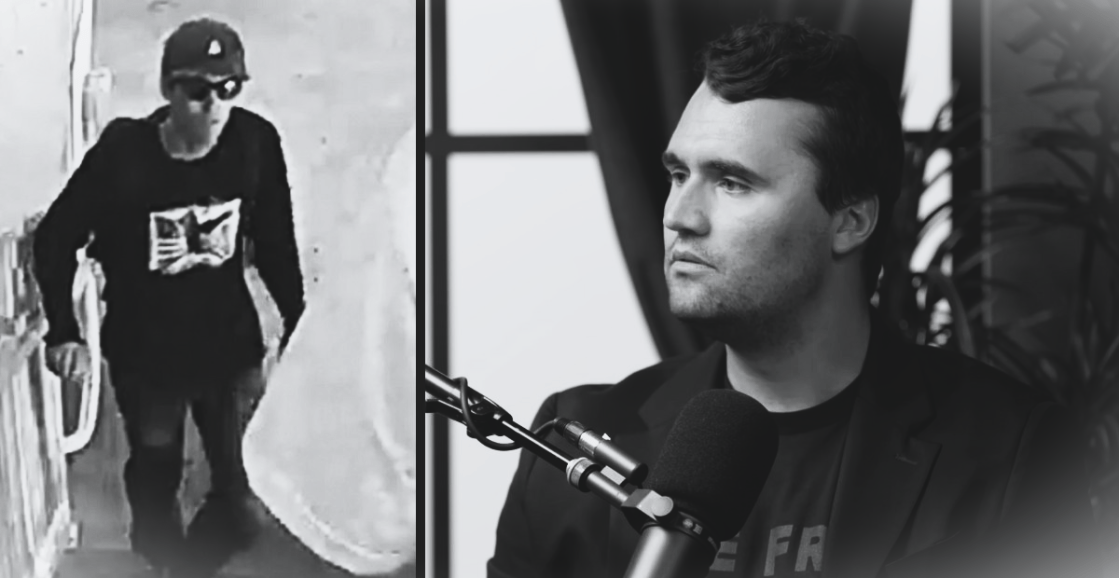
The assassination of Charlie Kirk is a stark, real-time example of the sovereignty vs. collective control tension.
Here is how it weaves into the complexity:
1. Political Violence as the Ultimate Breach of Sovereignty
- At its core, spiritual sovereignty is the right to live from one’s own truth. It includes the freedom to speak and act without coercion or threat.
- Political assassination is the most extreme violation of that principle. It removes not just someone’s voice but their very existence. This is done through force.
- In Kirk’s case, his sovereignty was exercised in the public arena. As a high-profile conservative activist, his speech and influence were part of the democratic process. His killing is a direct assault on that process.
2. Collective Control Through Narrative Management
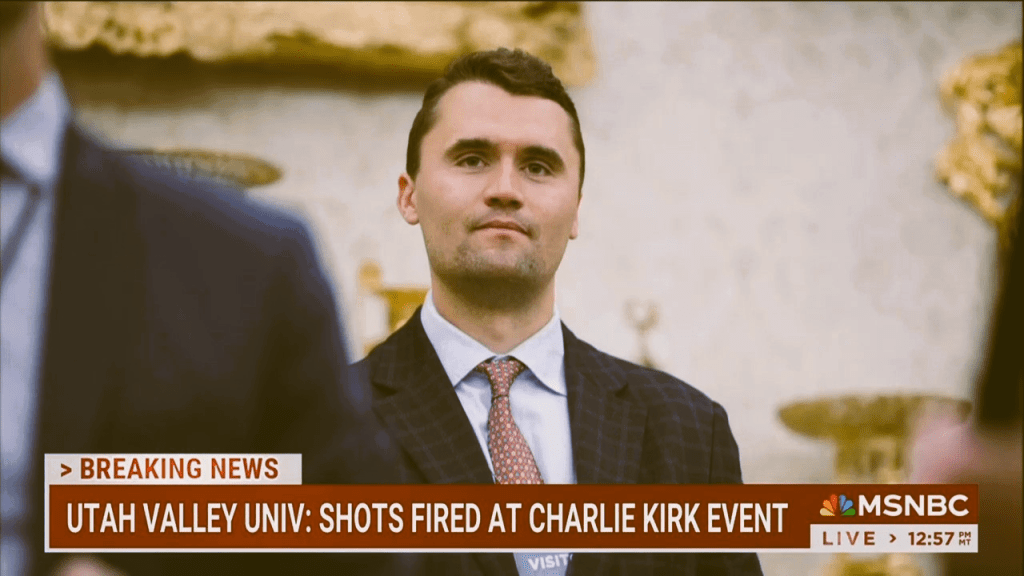
- In the immediate aftermath, the event became a battleground for narrative control:
- Some political leaders and influencers framed the killing as the result of ideological incitement from the left.
- Others condemned the violence outright but warned against weaponizing it to justify crackdowns on dissent.
- This is a textbook example of how information gatekeeping operates as a control mechanism. We discussed this method. It can be used to consolidate political advantage. This often happens at the cost of nuance.
3. Escalation of Emergency Powers & Surveillance
- Following the assassination, there were calls for increased security. There were also demands for vetting of social media posts. Some even called for visa restrictions for those “celebrating” Kirk’s death.
- These steps, although framed as public safety measures, shift toward Authoritarian Control. They potentially chill lawful speech in the name of preventing violence.
- This is the sovereignty-control paradox: the collective’s desire for safety can erode individual freedoms if not carefully bounded.
4. The Feedback Loop of Polarization
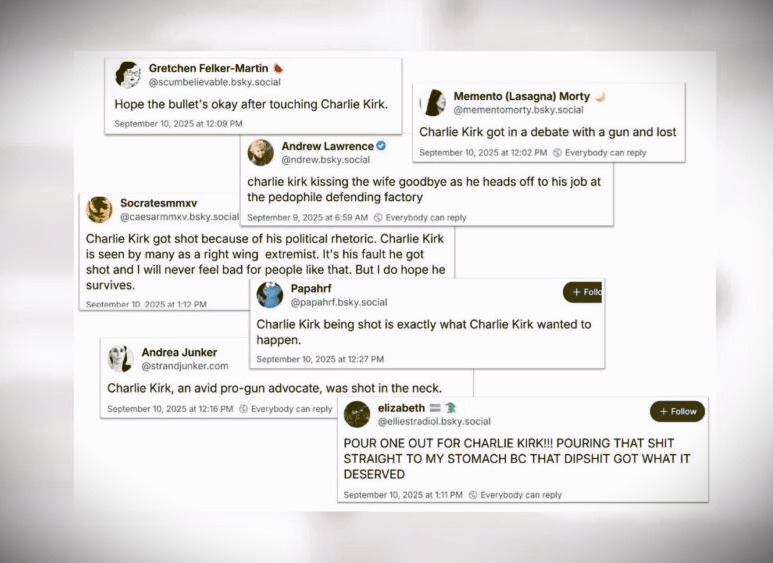
- The killing has deepened existing divides, with each side pointing to the other as the source of political violence.
- This mirrors the historical pattern we discussed. Moments of crisis often push societies toward centralized control in the name of stability. However, the loss of trust in institutions can simultaneously drive individuals toward isolationist sovereignty. This creates a widening gulf.
5. The “Living Balance” Challenge
- In theory, a healthy collective response would:
- Condemn the violence unequivocally.
- Protect free speech while addressing incitement to violence.
- Increase security without normalizing surveillance overreach.

- In practice, the assassination has become a stress test. It determines whether our systems can maintain that Living Balance. Alternatively, it assesses if they’ll slide toward extremes.
Paradigm Shyft Takeaway
Charlie Kirk’s assassination is not merely a tragic event. It serves as a real-time case study of the collision between personal sovereignty and collective control. It also highlights the mechanisms we’ve identified under pressure.
It shows how quickly a society can shift along the spectrum in response to fear. The rhetoric of “protection” can readily be exploited as a means to consolidate power.
Modern Collective Control Mechanisms
These are the major levers shaping divisive politics today — each with a light and shadow form:
| Mechanism | Light Form | Shadow Form |
|---|---|---|
| Supranational Governance | Peacekeeping, humanitarian coordination. | Forcing states into unwanted conflicts or policies. |
| Global Surveillance | Tracking threats, protecting against cybercrime. | Mass surveillance, chilling dissent. |
| Economic Sanctions | Encouraging human rights compliance. | Collective punishment, economic coercion. |
| Narrative Management | Countering disinformation, unifying in crises. | Censorship, propaganda. |
| Emergency Powers | Rapid crisis response. | Indefinite suspension of democratic processes. |
| Standardization | Shared safety and trade standards. | One-size-fits-all rules eroding local autonomy. |
Key Insight
Every one of these mechanisms can live in the green zone (Living Balance) if:
- Participation is voluntary and informed.
- Decision-making is transparent and accountable.
- There are clear off-ramps to return power to the individual or local level.
They slide toward Authoritarian Control or Tyranny when:
- Consent is assumed rather than given.
- Oversight is weak or absent.
- The mechanism becomes self-perpetuating rather than situational.
The Paradigm Shyft Perspective
The future isn’t about choosing sovereignty or control. It’s about weaving them into a living, breathing balance. This balance serves both the soul and the whole.
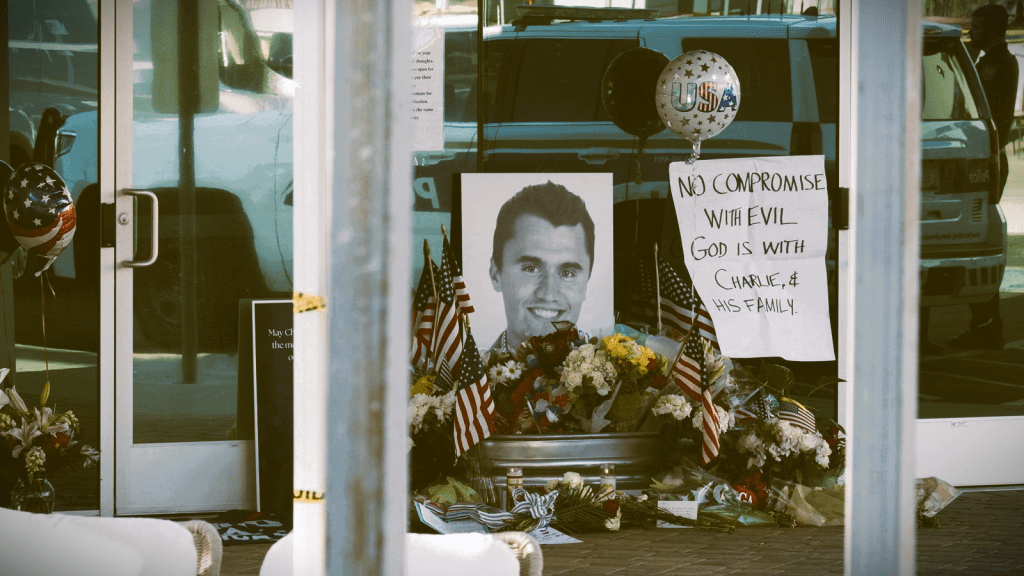
We can design systems in education, governance, and community life. These systems honor the individual’s inner authority. They foster collective harmony. That’s the work. That’s the shift.
The magic isn’t in “picking a side” it’s in designing systems that can breathe.
- Sovereignty without connection becomes brittle.
- Control without respect becomes oppressive.
- The future belongs to adaptive frameworks that can shift along the spectrum as context demands.
The Call to Action
We are at a crossroads. The question is not whether sovereignty or control will “win.” The real question is whether we can evolve beyond the false binary.
The invitation is to become sovereign participants:

- Rooted in our own discernment.
- Willing to collaborate without surrendering our inner compass.
- Courageous enough to question both authority and our own biases.
The real paradigm shift is not about choosing between sovereignty and control. It involves learning to weave them into a living, breathing balance. This balance serves both the soul and the whole.
REST IN PEACE CHARLIE. YOUR DEATH WILL NOT BE IN VAIN. GOD BLESSED YOU.

PS
 PARADIGM SHYFT