
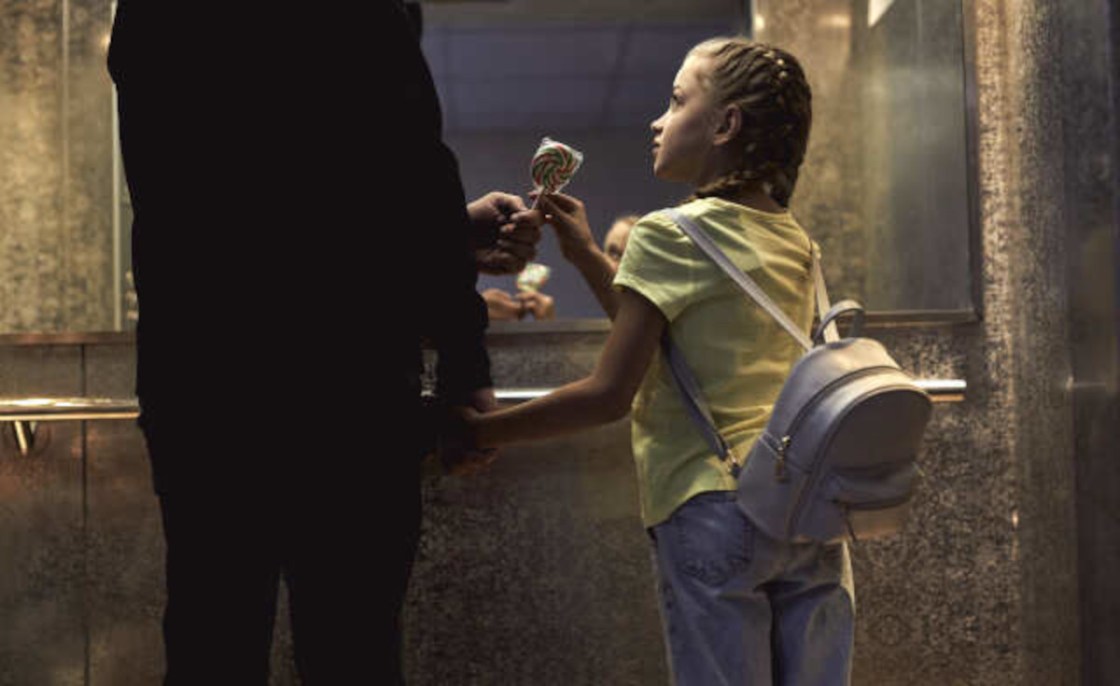

Child trafficking is a crime – and represents the tragic end of childhood
Child trafficking refers to the exploitation of girls and boys, primarily for forced labor and sexual exploitation. Children account for 27% of all human trafficking victims worldwide, and two out of every three child victims are girls[i].

Sometimes sold by a family member or an acquaintance, sometimes lured by false promises of education and a “better” life — the reality is that these trafficked and exploited children are held in slave-like conditions without enough food, shelter, or clothing, and are often severely abused and cut off from all contact with their families.
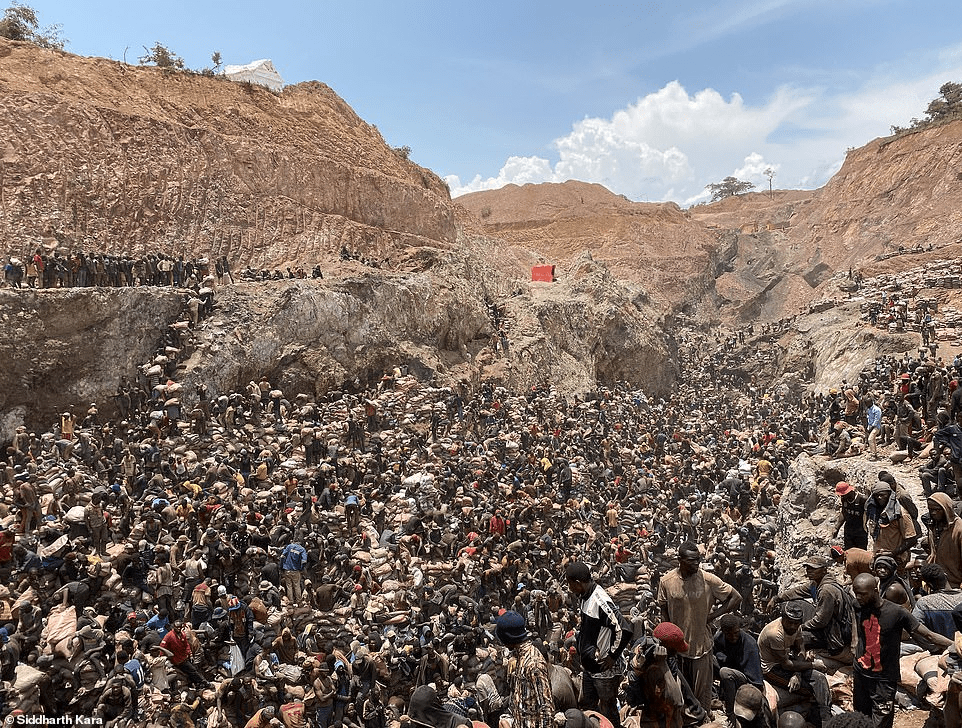
Children are often trafficked for commercial sexual exploitation or for labor, such as domestic servitude, agricultural work, factory work, and mining, or they’re forced to fight in conflicts. The most vulnerable children, particularly refugees, and migrants, are often preyed upon, and their hopes for an education, a better job, or a better life in a new country.[ii]

Every country in the world is affected by human trafficking, and as a result, children are forced to drop out of school, risk their lives, and are deprived of what every child deserves – a future.
Child Trafficking: Myth vs. Fact
Child trafficking affects every country in the world, including the United States. Children make up 27% of all human trafficking victims worldwide, and two out of every three identified child victims are girls[i].

Trafficking, according to the United Nations, involves three main elements[ii]:
- The act: Recruitment, transportation, transfer, harboring, or receipt of persons.
- The means: Threat or use of force, coercion, abduction, fraud, deception, abuse of power or vulnerability, or giving payments or benefits to a person in control of the victim.
- The purpose: For the purpose of exploitation, which includes exploiting the prostitution of others, sexual exploitation, forced labor, slavery or similar practices, and the removal of organs.
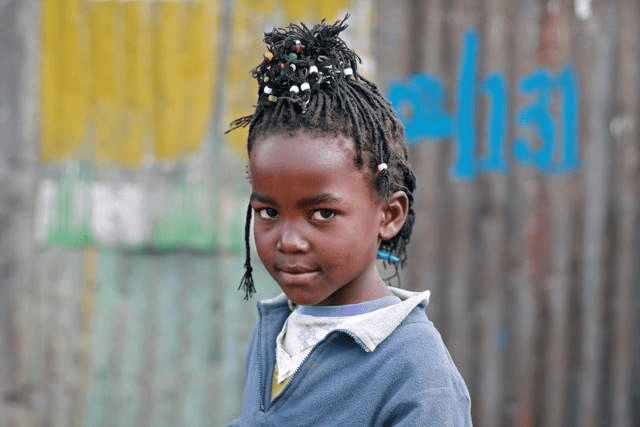
There is much misinformation about what trafficking is, who is affected, and what it means for a child to be trafficked. Read on to learn more about the myths vs. facts of child trafficking.
MYTH: Traffickers target victims they don’t know
FACT: A majority of the time, victims are trafficked by someone they know, such as a friend, family member, or romantic partner.
MYTH: Only girls and women are victims of human trafficking

FACT: Boys and men are just as likely to be victims of human trafficking as girls and women. However, they are less likely to be identified and reported.
Girls and boys are often subject to different types of trafficking, for instance, girls may be trafficked for forced marriage and sexual exploitation, while boys may be trafficked for forced labor or recruitment into armed groups.
MYTH: All human trafficking involves sex or prostitution

FACT: Human trafficking can include forced labor, domestic servitude, organ trafficking, debt bondage, recruitment of children as child soldiers, and/or sex trafficking and forced prostitution.
MYTH: Trafficking involves traveling, transporting, or moving a person across borders
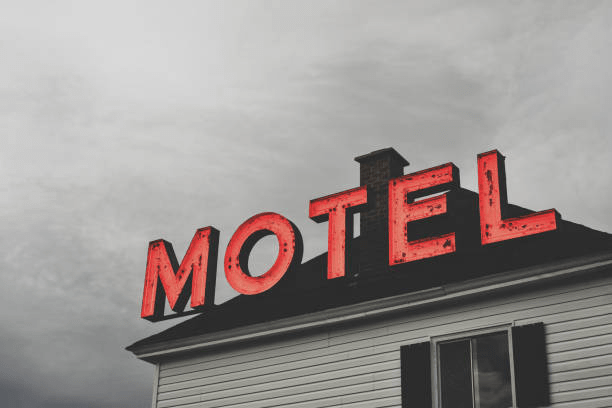
FACT: Human trafficking is not the same thing as smuggling, which are two terms that are commonly confused. Trafficking does not require movement across borders.
In fact, in some cases, a child could be trafficked and exploited from their own home. In the U.S., trafficking most frequently occurs at hotels, motels, truck stops, and online.
MYTH: People being trafficked are physically unable to leave or held against their will

FACT: Trafficking can involve force, but people can also be trafficked through threats, coercion, or deception. People in trafficking situations can be controlled through drug addiction, violent relationships, manipulation, lack of financial independence, or isolation from family or friends, in addition to physical restraint or harm.
MYTH: Trafficking primarily occurs in developing countries
FACT: Trafficking occurs all over the world, though the most common forms of trafficking can differ by country. The United States is one of the most active sex trafficking countries in the world, where exploitation of trafficking victims occurs in cities, suburban and rural areas.
Labor trafficking occurs in the U.S. but at lower rates than in most developing countries.
Child Trafficking in Conflict Zones
Because child trafficking is often linked with lucrative criminal activity and corruption, it is hard to estimate how many children suffer, but trafficking and exploitation are an increasing risk as more children around the world live in conflict.

Globally, 426 million children live in conflict zones today. That’s nearly one-fifth of the world’s children. Living amidst conflict increases children’s exposure to grave human rights violations, which include child trafficking and gender-based violence.
An estimated 1.2 million children are affected by trafficking at any given time[iiv]. Around the world, most children who are victims of trafficking are involved in forced labor.
Worldwide:
- 168 million children are victims of forced labor[iv]
- 215 million children are engaged in child labor [iii]
- 115 million of those children are involved in hazardous work [iii]
WHO CAN I CONTACT IF I WITNESS OR SUSPECT CHILD TRAFFICKING?
The Childhelp® National Child Abuse Hotline – Professional crisis counselors will connect you with a local number to report abuse. Call: 1-800-4-A-CHILD (1-800-422-4453)
The National Center for Missing & Exploited Children® (NCMEC) – Aimed at preventing child abduction and exploitation, locating missing children, and assisting victims of child abduction and sexual exploitation. Call: 1-800-THE-LOST (1-800-843-5678)
National Human Trafficking Resource Center – A 24-hour hotline open all day, every day, which helps identify, protect, and serve victims of trafficking. Call: 1-800-373-7888.
by: http://www.savethechildren.org
[i] Give Her a Choice: Building A Better Future For Girls (Save the Children)
[ii] U.S. Department of Health and Human Services (HHS) Child Victims of Human Trafficking: Fact Sheet
[iii] The Many Faces of Exclusion: 2018 End of Childhood Report
[iv] United Nations Office on Drug and Crime
[v] United Nations: World Day Against Human Trafficking
[iv] National Foster Youth Institute
[vii] Child Trafficking Essentials
HELP CHILDREN NOW
https://support.savethechildren.org/site/Donation2?df_id=1620&1620.donation=form1
 PARADIGM SHYFT